Is Balloting Done District Wise In Green Tractor Scheme 2026
Is Balloting Done District Wise is one of the most searched questions among farmers applying for the Green Tractor Scheme 2026, and for good reason. Understanding how the balloting system works can decide whether an applicant has a real chance or is simply relying on luck. Many farmers hear different versions from neighbors, social media, or local offices, which creates confusion and false expectations.
Understanding the Green Tractor Scheme 2026
The Green Tractor Scheme 2026 is a government-supported initiative designed to help small and medium farmers buy tractors at subsidized rates. The goal is to improve agricultural productivity while ensuring fair access across Punjab.
The scheme is structured to avoid favoritism and regional imbalance. Instead of allowing one area to dominate selections, the system uses a controlled and transparent approach.
Before diving into balloting, it is important to understand why the government does not rely on a single, open lottery.
Why a Structured Selection System Is Necessary
If selection were done randomly across the entire province, farmers from heavily populated or politically active regions could dominate the results. Smaller or less developed districts would be left behind.
To prevent this, the scheme applies multiple filters such as landholding limits, farmer eligibility, and geographical balance. This is where district-wise considerations come into play.
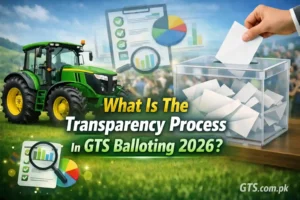
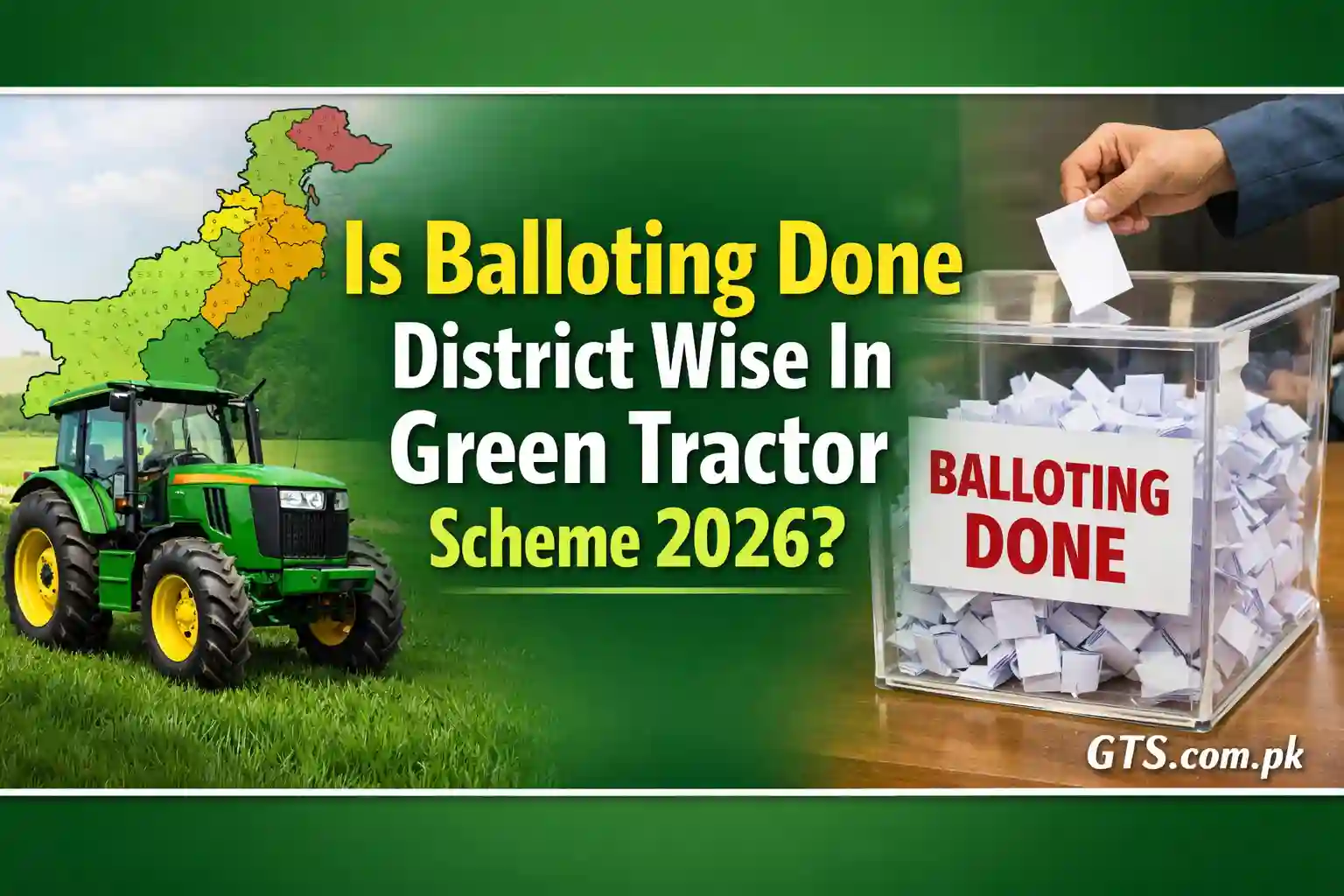
Is Balloting Done District Wise In Green Tractor Scheme 2026?
Yes, Is Balloting Done District Wise is not just a rumor. The Green Tractor Scheme 2026 follows a district-based allocation model rather than a single province-wide draw.
This means applications are grouped by district first. Each district is assigned a specific quota based on factors like:
- Number of eligible farmers
- Cultivated agricultural land
- Regional farming needs
- Policy-level equity goals
Balloting is then conducted within each district’s quota rather than mixing all applications together.
How District-Based Balloting Actually Works
Instead of competing against the entire province, a farmer competes only with applicants from their own district. This makes the process more balanced and fair.
The system ensures that farmers from less populated districts still receive tractors, even if they submit fewer applications.
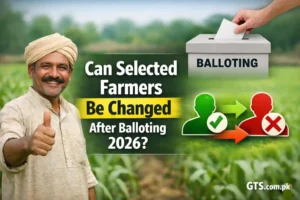
District Quota Allocation Explained Clearly
Each district is given a fixed number of tractors. This number is decided before balloting begins and is not changed during the process.
Here is a simplified explanation of how quotas are determined:
| Factor Considered | Why It Matters |
|---|---|
| Number of applicants | Higher demand requires controlled distribution |
| Cultivated land area | Larger farming zones need more machinery |
| Small farmer ratio | Priority is given to small landholders |
| Regional balance | Prevents dominance by one area |
This quota system directly supports Area Quota fairness and avoids overcrowding in selection results.
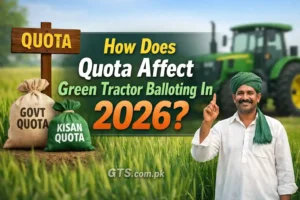
The Role of GTS District Balloting
GTS District Balloting ensures that every district gets representation in the final list. Without this system, farmers from urban-adjacent or politically active districts would have a clear advantage.
District-based balloting also allows authorities to:
- Monitor results more effectively
- Address complaints at the local level
- Maintain transparency during each phase
This is one of the main reasons the scheme has gained farmer trust over time.

How the Punjab Tractor Scheme Maintains Transparency
The Punjab Tractor Scheme follows a digital-first approach in 2026. Applications are recorded electronically, and balloting is conducted through verifiable systems rather than manual draws.
Several safeguards are used:
- Digital applicant verification
- Automated draw systems
- Public release of district-wise results
This minimizes manipulation and ensures that results are consistent with policy rules.
Phase 3 Lottery and District-Level Selection
The Phase 3 Lottery follows the same district-based model used in earlier phases. Farmers sometimes assume later phases work differently, but that is not true.
Each phase repeats the same steps:
- Application review
- District-wise quota confirmation
- Balloting within districts
- Publication of results
This consistency ensures equal opportunity regardless of when a farmer applies.
Farmer Selection Criteria Beyond Balloting
While balloting plays a central role, Farmer Selection is not based on luck alone. Applicants must pass eligibility checks before entering the draw.
Key eligibility factors include:
- Landholding within approved limits
- Valid farmer registration
- No prior benefit from similar schemes
- Correct documentation
Only verified applicants are included in district-wise balloting.
GTS Process Step by Step
Understanding the GTS Process helps farmers avoid mistakes that could lead to disqualification.
Here is a clear breakdown:
| Step | What Happens |
|---|---|
| Application submission | Farmer applies online or through service centers |
| Data verification | Records are checked for accuracy |
| District grouping | Applications sorted by district |
| Balloting | Lottery held within district quota |
| Result announcement | Lists published officially |
Missing or incorrect data can remove an applicant before balloting even begins.
Why the Official Method Matters
The Official Method exists to protect farmers, not to complicate the system. Relying on unofficial claims or social media rumors can lead to false expectations.
The official approach ensures:
- Equal opportunity for all districts
- Clear audit trails
- Legal protection for applicants
Farmers are strongly advised to follow official updates rather than hearsay.
Common Misunderstandings About District Balloting
Many farmers misunderstand how the system works. Some common myths include:
- Bigger districts always get more tractors
- Political influence affects balloting
- Later phases favor new districts
In reality, district quotas are pre-approved and monitored, leaving little room for manipulation.
This is why Is Balloting Done District Wise remains a critical concept for applicants to understand properly.
FAQs
Is balloting completely random within a district?
Yes. Once eligibility is confirmed, the draw within a district is random and automated.
Does district size affect winning chances?
Only indirectly. Quotas consider district size, but each applicant still has an equal chance within their district.
Can farmers from one district be selected in another?
No. Applications are locked to the farmer’s registered district.
Is the district system used in every phase?
Yes. District-wise balloting is applied consistently in all phases, including Phase 3.
Final Thoughts on District-Wise Balloting
Understanding how Is Balloting Done District Wise works can save farmers from unrealistic expectations and misinformation. The Green Tractor Scheme 2026 uses district-based quotas to maintain fairness, transparency, and balanced development across Punjab.
Farmers who meet eligibility criteria and apply correctly stand a genuine chance within their district. Instead of worrying about province-wide competition, applicants should focus on accurate documentation and official updates.