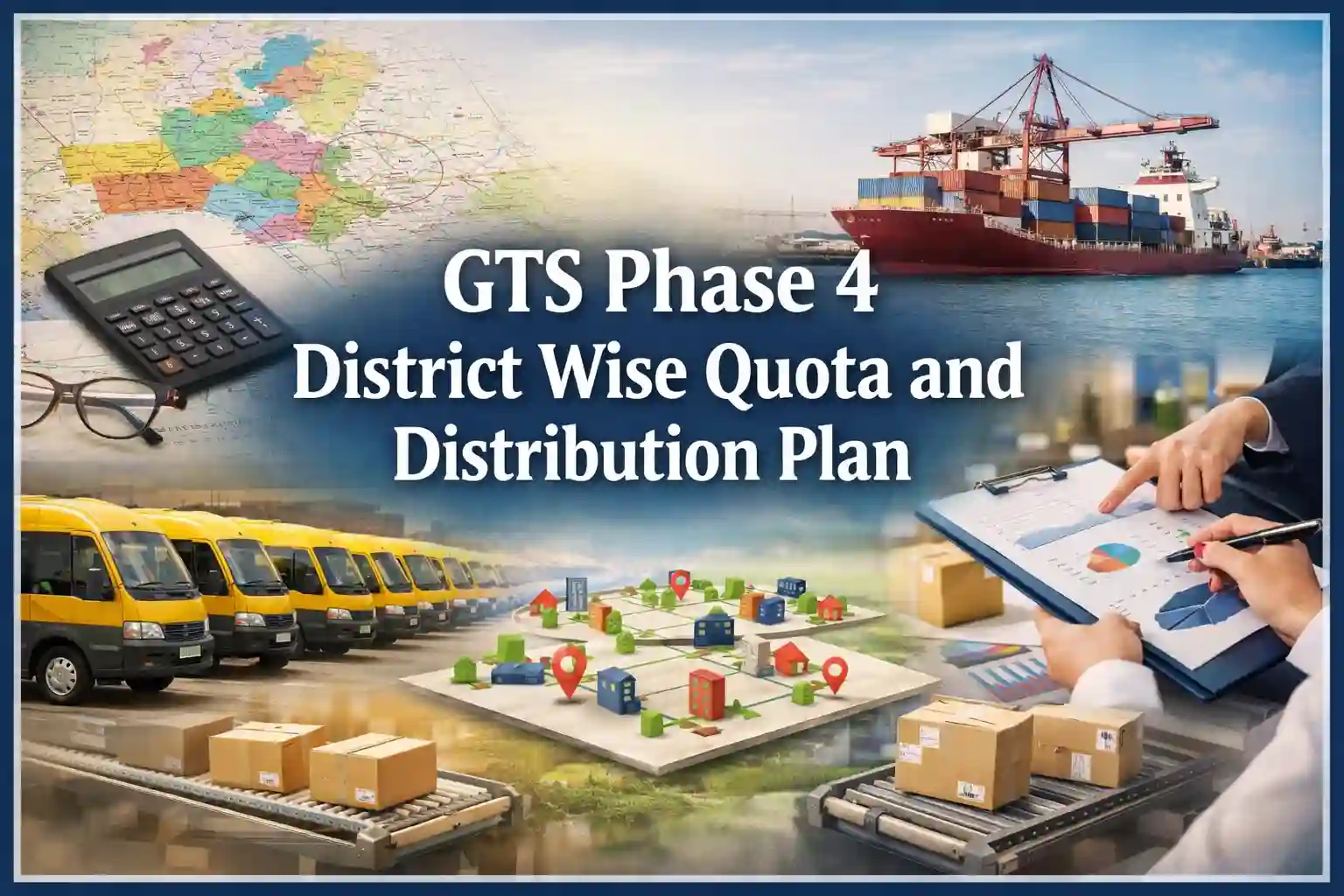
GTS Phase 4 District Wise Quota and Distribution Plan
The GTS Phase 4 District Wise Quota and Distribution Plan has become an important topic across Punjab and other provinces of Pakistan. Farmers, applicants, and stakeholders are actively searching for details about quota allocation, district distribution formula, eligibility criteria, and how the government plans to distribute resources under Phase 4.
In this detailed guide, we will explain everything about the GTS Phase 4 distribution plan, district-wise quota system, eligibility requirements, application process, and expected benefits for farmers.
What is GTS Phase 4?
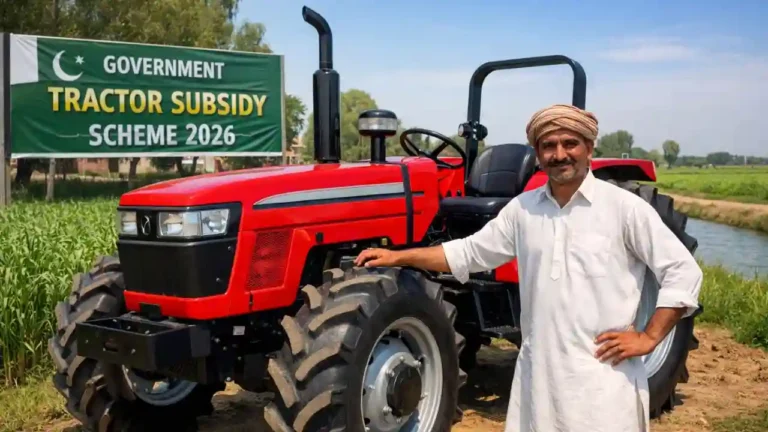
GTS Phase 4 refers to the fourth stage of the Green Tractor Scheme introduced by the Government of Punjab to support farmers by providing subsidized tractors. The scheme aims to improve agricultural productivity by helping small and medium farmers access modern farming equipment.
This phase focuses on transparent distribution through a district-wise quota system to ensure fair allocation of tractors among different regions.
The Green Tractor Scheme is a major initiative under Punjab’s agricultural reform policy. It provides financial assistance or subsidy to farmers so they can purchase tractors at reduced prices.
Objectives of GTS Phase 4 District Wise Quota Plan
The main objectives of the GTS Phase 4 distribution plan include:
- Ensuring fair distribution among all districts
- Supporting small and medium-scale farmers
- Increasing crop production
- Promoting mechanized farming
- Reducing manual labor dependency
- Strengthening rural economy
The government has designed the quota system to prevent favoritism and to ensure equal opportunities for farmers from remote and less developed districts.

GTS Phase 4 District Wise Quota System Explained
The district-wise quota system means that each district is allocated a fixed number of tractors based on:
- Agricultural land area
- Number of registered farmers
- Crop production level
- Population size
- Previous scheme performance
Large agricultural districts receive higher quotas, while smaller districts receive proportionate allocations.
For example:
- Big agricultural districts like Faisalabad, Multan, and Bahawalpur may receive higher allocations.
- Smaller districts receive limited but guaranteed quotas.
This system ensures balanced development across Punjab.

How Distribution Plan Works in GTS Phase 4
The distribution process follows these steps:
1. Announcement of Quota
The Agriculture Department announces district-wise quota details officially.
2. Application Submission
Eligible farmers submit applications online or through designated centers.
3. Verification Process
Applications are verified through land records and CNIC verification.
4. Balloting (If Required)
If applications exceed the quota, computerized balloting is conducted.
5. Final Allocation
Selected farmers receive subsidy approval and purchase tractors at subsidized rates.
The transparent computerized balloting ensures fairness and accountability.
Eligibility Criteria for GTS Phase 4
To apply under GTS Phase 4, applicants must meet the following criteria:
- Must be a Pakistani citizen
- Must possess valid CNIC
- Must own agricultural land
- Land record must be verified
- Should not have previously received tractor subsidy (in some cases)
- Must be registered with the agriculture department
Small and medium landholders are given priority under this scheme.
Expected Subsidy Amount Under GTS Phase 4
The subsidy amount may vary depending on tractor horsepower (HP) and model. Generally, the subsidy covers a significant portion of the tractor price, reducing financial burden on farmers.
The government aims to make modern tractors affordable, especially for farmers who cannot purchase them at full market price.
District Wise Quota Allocation – Why It Matters
The district-wise quota is important because:
- It prevents dominance of developed districts
- It supports underdeveloped rural regions
- It ensures equal opportunity
- It increases transparency
- It builds public trust
By dividing the allocation district-wise, the government ensures that every region benefits from agricultural modernization.
Role of Agriculture Department in GTS Phase 4
The Punjab Agriculture Department plays a key role in implementing the scheme. Its responsibilities include:
- Announcing quota details
- Managing online applications
- Conducting verification
- Overseeing balloting process
- Monitoring distribution
The department ensures smooth execution of the scheme across all districts.
Impact of GTS Phase 4 on Farmers
GTS Phase 4 is expected to bring multiple benefits:
1. Increased Productivity
Modern tractors improve plowing efficiency and crop yield.
2. Reduced Labor Costs
Mechanization reduces dependency on manual labor.
3. Faster Cultivation
Farmers can prepare land quickly, saving time during crop seasons.
4. Economic Stability
Higher production leads to better income opportunities.
5. Technological Advancement
Farmers adopt modern agricultural practices.
Transparency Measures in Distribution Plan
To avoid corruption and favoritism, the government has introduced:
- Online registration system
- CNIC-based verification
- Digital land record checking
- Computerized balloting
- Publicly announced results
These measures strengthen the credibility of the scheme.
Challenges in District Wise Distribution
Despite careful planning, some challenges may arise:
- High number of applicants
- Limited quota compared to demand
- Verification delays
- Technical issues in online portal
However, the government aims to improve system efficiency in Phase 4 compared to previous phases.
How to Apply for GTS Phase 4
Here is a simple application guide:
- Visit official agriculture portal
- Register using CNIC
- Fill out application form
- Upload required documents
- Submit application before deadline
- Wait for verification and balloting
Applicants should ensure correct land records to avoid rejection.
Important Tips for Applicants
- Apply early before deadline
- Double-check land ownership details
- Keep CNIC and documents ready
- Follow official announcements only
- Avoid agents or middlemen
Following these tips increases chances of smooth approval.
Future of GTS Scheme in Punjab
The Green Tractor Scheme is likely to continue in future phases. The government may expand:
- Quota numbers
- Subsidy amount
- Inclusion of advanced machinery
- Digital monitoring system
If Phase 4 proves successful, it may set a benchmark for other provinces.
Frequently Asked Questions (FAQs)
1. What is GTS Phase 4 District Wise Quota?
It is a tractor subsidy allocation system where each district receives a fixed number of tractors based on agricultural and population factors.
2. Who can apply for GTS Phase 4?
Farmers who own agricultural land and meet eligibility requirements can apply.
3. How is quota decided for each district?
Quota is decided based on land area, number of farmers, and crop production statistics.
4. Is balloting conducted in GTS Phase 4?
Yes, computerized balloting is conducted if applications exceed the available quota.
5. How much subsidy is offered?
Subsidy amount depends on tractor model and horsepower category.
Conclusion
The GTS Phase 4 District Wise Quota and Distribution Plan 2026 represents a major step toward agricultural modernization in Punjab. By implementing a district-wise quota system, the government ensures fair and transparent distribution of tractors among farmers.
The scheme not only promotes mechanization but also strengthens rural economy and improves agricultural output. Farmers should carefully review eligibility criteria, apply within deadlines, and follow official guidelines to benefit from this opportunity.