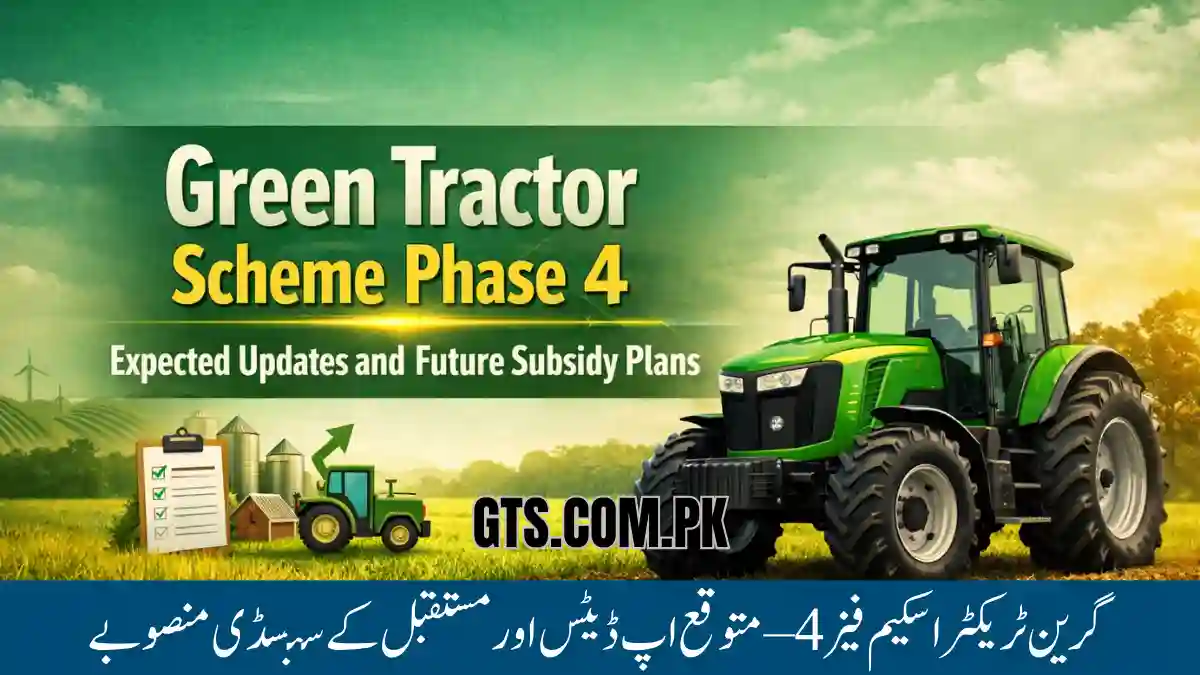
Green Tractor Scheme Phase 4 – Expected Updates and Future Subsidy Plans
Green Tractor Scheme Phase 4 has become a major topic of discussion among farmers, agricultural experts, and rural communities right from the start, as expectations are rising around new support measures and better access to modern farming machinery.
Understanding Green Tractor Scheme Phase 4 and Why It Matters
Agriculture has always been the backbone of rural economies, especially in regions where farming is not just an occupation but a way of life. Tractor subsidy programs were introduced to reduce the financial burden on small and medium farmers, helping them improve productivity without falling into long-term debt.
The CM Punjab Green Tractor Scheme Phase 4 is expected to build on earlier phases by addressing gaps, expanding eligibility, and aligning with modern agricultural needs. Farmers who could not benefit earlier are closely watching official signals, hoping this phase will bring better transparency and wider coverage.
Over the years, tractor schemes have transformed farming practices by enabling mechanization. From land preparation to harvesting, tractors save time, reduce labor dependency, and improve output quality. This is why any new phase carries significant importance for rural development.
Background of Tractor Subsidy Programs in Punjab
Punjab has a long history of introducing farmer-centric initiatives. Tractor subsidy schemes were launched to empower farmers who could not afford expensive machinery. Earlier phases focused mainly on registered landowners, which helped thousands but still left many farmers waiting.
With changing agricultural challenges, authorities began reviewing feedback from previous phases. Rising fuel costs, climate uncertainty, and labor shortages pushed the need for more inclusive planning. This review process has influenced the design expectations of the Upcoming Tractor Scheme, which is anticipated to be more flexible and practical.
Farmers now expect simplified procedures, digital tracking, and quicker verification to avoid delays that were common in earlier rounds.
Expected Registration and Eligibility Updates
One of the most discussed topics among farmers is the New Registration Update. Based on unofficial insights and policy trends, registration is likely to move fully online, reducing paperwork and middlemen involvement.
Expected eligibility improvements may include:
- Inclusion of tenant farmers and shared landholders
- Priority for small and medium-scale farmers
- Transparent lottery or merit-based allocation
These steps could significantly reduce complaints related to favoritism and lack of access. Officials are also expected to integrate national databases to verify land records more efficiently.
This approach reflects broader Government Farming Plans aimed at digitizing agriculture support systems while ensuring fairness.
Financial Structure and Subsidy Expectations
Subsidy percentage has always been a deciding factor for farmer participation. In previous phases, partial subsidies helped reduce costs but still left tractors expensive for many.
Under current discussions around Agriculture Subsidy Update, authorities may revise subsidy limits to match rising equipment prices. Flexible financing options through partner banks are also being explored, allowing farmers to pay remaining amounts in manageable installments.
Below is a table explaining how subsidy models may evolve compared to earlier phases:
| Feature | Previous Phases | Expected Changes |
|---|---|---|
| Subsidy Rate | Fixed percentage | Revised, market-adjusted |
| Payment Method | One-time payment | Installments + bank support |
| Farmer Category | Limited | Expanded eligibility |
| Processing Time | Slow | Digitally streamlined |
Such changes could directly improve participation rates and overall satisfaction.
How Farmers Can Prepare in Advance
Preparation plays a crucial role in benefiting from any government scheme. Farmers who stay informed and organized often succeed while others miss deadlines.
To prepare effectively:
- Keep land and identity documents updated
- Monitor official agriculture portals regularly
- Join local farmer groups for information sharing
These steps can be especially useful for those targeting the Farmer Support Scheme initiatives expected to launch alongside tractor subsidies.
The Punjab Tractor Subsidy Future appears focused on proactive participation rather than reactive application, meaning readiness will matter more than ever.

Role of Mechanization in Modern Agriculture
Mechanization is no longer a luxury; it is a necessity. With shrinking labor availability and increasing crop demand, tractors help farmers maintain efficiency and consistency.
Through initiatives aligned with Latest Tractor News, policymakers aim to promote fuel-efficient and environmentally friendly machinery. This not only reduces long-term costs but also supports sustainable farming practices.
The Green Tractor Scheme Phase 4 is expected to promote models that meet modern emission and performance standards, ensuring long-term value for farmers.
Environmental and Economic Impact
Modern tractors contribute to better soil management and reduced crop wastage. With proper use, they help maintain soil structure and improve yield cycles.
Economically, subsidized tractors reduce dependency on rented machinery, allowing farmers to manage schedules independently. This autonomy often leads to better planning and increased annual income.
Here is a simplified view of expected long-term impacts:
| Impact Area | Without Subsidy | With Subsidy |
|---|---|---|
| Productivity | Moderate | High |
| Operational Cost | High | Controlled |
| Time Efficiency | Limited | Improved |
| Income Stability | Uncertain | More predictable |
Such outcomes align closely with national goals for agricultural sustainability and rural prosperity.
Common Challenges and How Authorities May Address Them
Despite good intentions, challenges remain. These include delays, lack of clarity, and misinformation. Authorities are expected to counter these issues by improving communication channels and issuing timely updates.
Dedicated helplines, SMS alerts, and mobile-friendly portals are being discussed as part of improved farmer outreach strategies. These tools could significantly reduce confusion and ensure accurate information reaches the grassroots level.
The Green Tractor Scheme Phase 4 is widely expected to emphasize accountability and transparency more than ever before.
Frequently Asked Questions
When is the next tractor subsidy phase expected to launch?
While no official date has been announced, policy signals suggest updates may arrive after budget approvals.
Will small farmers get priority?
Yes, priority is expected to shift toward small and medium farmers to ensure balanced support.
Is online registration mandatory?
Future phases are likely to rely mainly on online registration for transparency and speed.
Can farmers choose tractor brands?
Authorities may allow selection from approved brands that meet quality and efficiency standards.
How can farmers avoid missing updates?
Regularly checking official agriculture portals and local announcements is the best approach.
Final Thoughts on Future Prospects
The anticipation around Green Tractor Scheme Phase 4 reflects how deeply farmers value access to affordable machinery and fair support systems. With better planning, transparent processes, and farmer-focused policies, this phase has the potential to strengthen agricultural productivity and rural stability.
For farmers, staying informed, prepared, and proactive will be the key to making the most of upcoming opportunities and ensuring long-term growth in an ever-evolving agricultural landscape.