
Green Tractor Scheme Phase 3 Tractor Brands And Models List 2026
Pakistan’s agricultural sector is steadily moving toward modernization, and mechanized farming has become a necessity rather than a luxury. Rising input costs, labor shortages, and the need for higher productivity have made government-backed initiatives more critical than ever. In this landscape, the Green Tractor Scheme Phase 3 Tractor Brands And Models List 2026 emerges as a cornerstone policy designed to empower farmers with reliable, affordable, and locally supported machinery.
Phase 3 of the Green Tractor Scheme has been carefully planned to overcome the limitations observed in earlier phases. It focuses not only on providing tractors but also on ensuring long-term usability, service availability, and economic sustainability for farmers across Pakistan. By approving specific brands and models, the scheme reduces uncertainty and protects farmers from substandard purchases.
Green Tractor Scheme Phase 3 Overview for 2026
The Green Tractor Scheme Phase 3 represents a refined and more structured continuation of earlier initiatives. Unlike previous phases, which primarily emphasized distribution volume, Phase 3 prioritizes quality, transparency, and suitability.
This phase introduces a clearly defined tractor brands and models list, categorized by horsepower and farming requirements. The objective is to ensure that every farmer receives a tractor that matches their landholding size, crop type, and operational workload.
The scheme is designed to:
- Improve mechanization at the grassroots level
- Promote trusted Pakistani tractor brands
- Reduce dependency on outdated or second-hand machinery
- Enhance overall agricultural productivity
By aligning subsidies with approved models only, the government ensures that public funds generate long-term value rather than short-term relief.
Strategic Vision Behind CM Punjab Green Tractor Scheme Phase 3 2026
The vision of Phase 3 extends well beyond tractor ownership. It aims to reshape farming practices across Pakistan through controlled, sustainable mechanization.
Key strategic objectives include:
- Expanding access to modern agricultural machinery
- Supporting local manufacturing and assembly industries
- Standardizing tractor quality nationwide
- Improving crop yield consistency
- Reducing operational delays caused by labor shortages
By integrating policy oversight with private-sector manufacturing expertise, the Green Tractor Scheme Phase 3 supports both farmers and the national economy.
Why GTS Phase 3 Is Different From Earlier Phases
Phase 3 introduces several structural and operational improvements that significantly enhance its credibility and effectiveness.
Stronger Brand Verification
Only manufacturers with proven performance, nationwide service networks, and spare parts availability are included. This minimizes post-purchase complications and protects farmers from long-term maintenance issues.
Clear Horsepower-Based Allocation
Tractors are grouped into defined horsepower categories. This prevents mismatches between tractor capacity and land size, ensuring efficient fuel use and optimal performance.
Digitized Transparency
From application submission to balloting and allocation, the entire process is digitally monitored. This reduces favoritism, human error, and delays, increasing farmer confidence in the scheme.

Green Tractor Scheme Phase 3 Tractor Brands List Pakistan (2026)
The approved brands under Phase 3 have been selected based on durability, adaptability to local conditions, and service support. These brands represent the backbone of Pakistan’s tractor industry.

Millat Tractors – Massey Ferguson Series
Millat Tractors remains the most trusted name in Pakistan’s agricultural machinery sector. Its Massey Ferguson series has a long-standing reputation for durability, fuel efficiency, and ease of maintenance.
Approved Models Under Phase 3
- MF 240
- MF 260
- MF 350
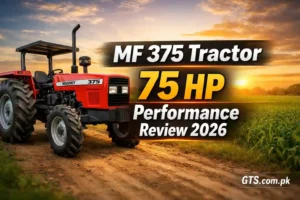
- MF 385
These tractors are suitable for a wide range of farming operations and are fully compatible with local implements. Their inclusion strengthens the reliability of the Green Tractor Scheme Phase 3.
Al-Ghazi Tractors – New Holland Series
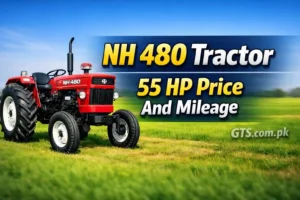
Al-Ghazi Tractors, manufacturing New Holland models, offer strong competition through fuel-efficient engines and balanced power output.
Approved Models Under Phase 3
- NH 480
- NH 480S
- NH 640
- NH Dabung 85
These tractors perform particularly well in mixed cropping systems and heavy seasonal operations.
Orient Tractors – Select Approved Models
Orient Tractors have a more limited presence but are gradually expanding their footprint. Their inclusion encourages healthy competition among local manufacturers and helps stabilize market pricing.
These models are best suited for light to medium farming operations and farmers seeking cost-effective mechanization solutions.
Table 1: Approved Tractor Brands and Models (Phase 3 – 2026)
| Brand Name | Approved Models | Manufacturing Status |
|---|---|---|
| Millat Tractors | MF 240, MF 260, MF 350, MF 385 | Local Manufacturing |
| Al-Ghazi Tractors | NH 480, NH 480S, NH 640, NH Dabung 85 | Local Manufacturing |
| Orient Tractors | Selected Models | Local Assembly |
Horsepower Categories and Their Practical Applications
Selecting the correct horsepower category is essential for efficient farming.
50–60 HP Category
Best suited for:
- Small landholdings
- Vegetable cultivation
- Orchard farming
These tractors are economical, easy to operate, and ideal for first-time mechanization.
60–75 HP Category
This is the most popular category in the scheme.
Ideal for:
- Wheat, rice, maize
- Medium-sized farms
- Multi-crop rotations
This range offers the best balance between power and fuel efficiency.
75–85+ HP Category
Designed for:
- Large-scale commercial farms
- Heavy tillage operations
- Continuous workload cycles
High-horsepower tractors deliver superior torque and long operational life.
Table 2: Horsepower Categories and Farming Use
| HP Range | Farm Size | Recommended Crops | Usage Type |
|---|---|---|---|
| 50–60 HP | Small | Vegetables, Orchards | Light Operations |
| 60–75 HP | Medium | Wheat, Rice, Maize | General Farming |
| 75–85+ HP | Large | Commercial Crops | Heavy-Duty Work |
Technical Standards for Approved Tractor Models
All tractors included in the scheme undergo strict technical evaluation.
Engine and Transmission Quality
Only tractors with proven engine reliability and smooth transmission systems qualify.
Hydraulic Performance
High lift capacity is mandatory to support modern implements such as rotavators and laser levelers.
Service and Spare Parts Availability
Nationwide availability of spare parts and trained mechanics is a compulsory requirement for approval.
Table 3: Key Technical Standards for Approval
| Feature | Minimum Requirement |
|---|---|
| Engine Reliability | Proven Field Performance |
| Transmission | Smooth Gear Shifting |
| Hydraulics | High Lift Capacity |
| Spare Parts | Nationwide Availability |
| Warranty | Manufacturer Backed |
Subsidy Structure and Financial Relief
The subsidy framework under Phase 3 is designed to reduce upfront costs while maintaining farmer responsibility.
How Subsidy Is Applied
- Fixed subsidy amount per tractor
- Amount varies by horsepower category
- Subsidy deducted directly at dealer level
This approach ensures transparency and prevents hidden charges.
Table 4: Subsidy Impact Comparison
| Purchase Type | Upfront Cost | Warranty | Price Transparency |
|---|---|---|---|
| Open Market | High | Limited | Variable |
| Green Tractor Scheme | Reduced | Official | Fixed & Transparent |
Farmer Eligibility Criteria Explained Clearly
To maintain fairness, strict eligibility rules apply.
Farmers must:
- Hold a valid CNIC
- Be registered with agriculture authorities
- Provide land ownership or tenancy proof
- Not have benefited previously from the same scheme
This ensures equitable distribution of subsidies.
Step-by-Step Application Process
Online Registration
Farmers submit applications through official portals.
Verification
Authorities verify documents and eligibility.
Balloting
Computerized balloting ensures fair selection.
Dealer Allocation
Selected farmers purchase tractors from authorized dealers only.
Economic and Agricultural Impact
The Green Tractor Scheme Phase 3 has already contributed to:
- Increased crop output
- Timely farm operations
- Growth in rural employment
- Higher adoption of modern machinery
Supporting local tractor brands also strengthens Pakistan’s manufacturing base.
Challenges and Practical Limitations
Despite improvements, some challenges remain:
- Demand exceeds supply
- Delivery delays in peak seasons
- Regional quota constraints
However, Phase 3 shows significant improvement in management and transparency.
Long-Term Outlook Beyond 2026
Future expansions may include:
- Precision farming tools
- Smart monitoring systems
- Expanded horsepower ranges
- Increased subsidy budgets
Phase 3 sets the foundation for these advancements.
FAQs
What makes Phase 3 better than earlier phases?
Improved transparency, verified brands, and structured HP categories.
Are imported tractors included?
No, the focus remains on locally supported Pakistani brands.
Can tenants apply?
Yes, with valid tenancy documentation.
Is the subsidy amount uniform?
No, it varies by horsepower category.
Is balloting compulsory?
Yes, to ensure fairness.
Are spare parts guaranteed?
Yes, approved brands must ensure availability.
Can farmers choose models?
Yes, within the approved list.
Does the scheme support long-term growth?
Yes, it promotes sustainable mechanization.
Conclusion
The Green Tractor Scheme Phase 3 Tractor Brands And Models List 2026 represents a mature and forward-thinking approach to agricultural mechanization in Pakistan. By combining verified brands, approved models, transparent subsidies, and structured eligibility, the scheme empowers farmers to invest confidently in productivity.
With strong participation from trusted local manufacturers and improved digital governance, Phase 3 is not just a subsidy program—it is a strategic investment in Pakistan’s agricultural future.