Green Tractor Scheme Phase 3 for Small Farmers – Complete Guide 2026
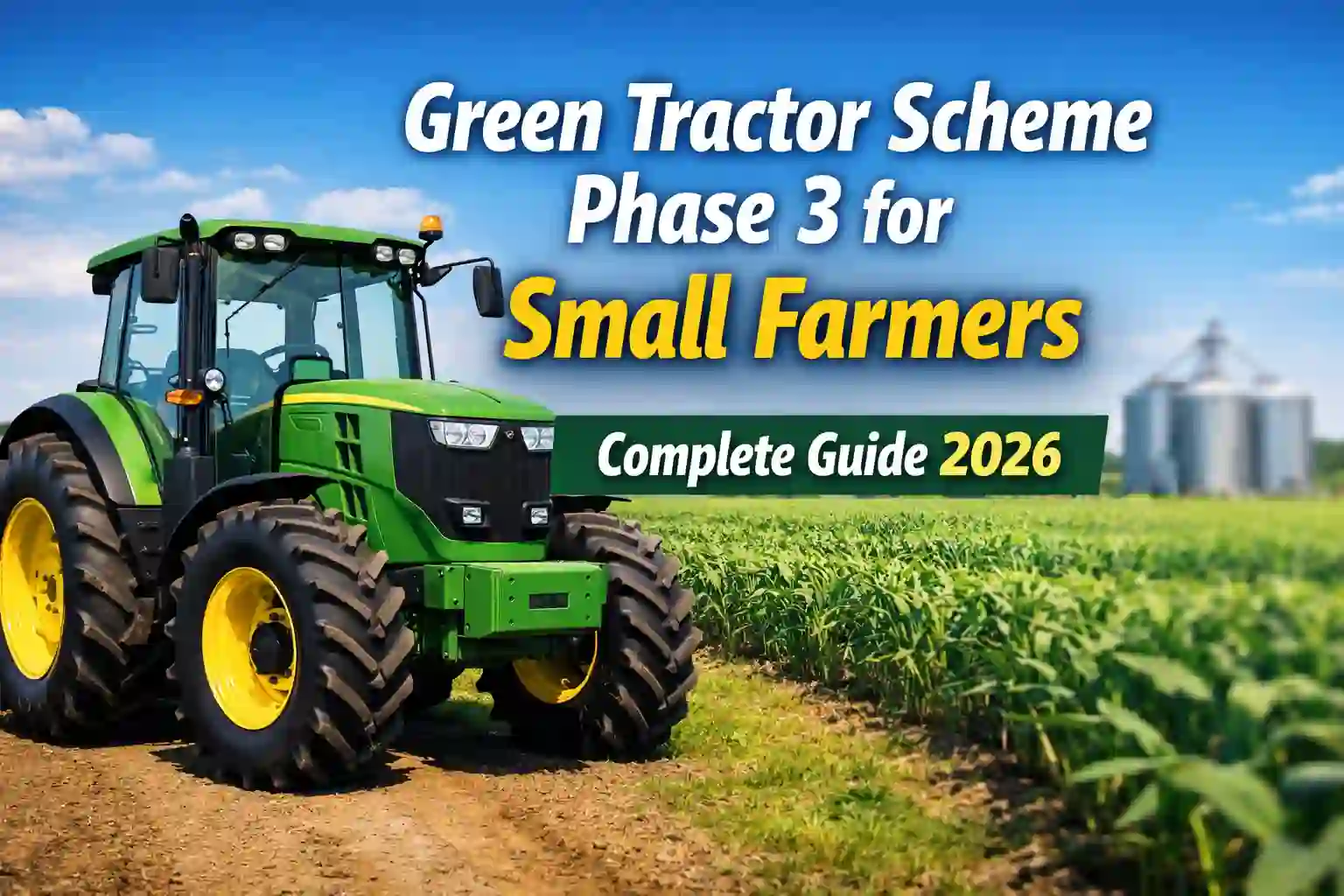
Green Tractor Scheme Phase 3 for Small Farmers is becoming a major source of hope for those who struggle daily with limited land, rising costs, and outdated farming tools. This scheme is designed to make modern agriculture possible for farmers who were previously left behind due to financial limitations.
Understanding the Purpose of the Scheme
Farming is the backbone of rural economies, yet many farmers still rely on traditional methods that reduce productivity and income. Governments across many regions have recognized this gap and introduced targeted programs that focus on affordability, sustainability, and long-term growth.
This initiative focuses on empowering farmers by reducing the cost of machinery, improving crop output, and supporting environmentally friendly farming practices. For many families, it is more than financial help—it is a step toward dignity and stability.
What Is Green Tractor Scheme Phase 3 for Small Farmers?
Green Tractor Scheme Phase 3 for Small Farmers is the third stage of a government-backed program that provides subsidized tractors to eligible farmers. This phase builds on the success of earlier phases while adding better eligibility coverage, improved transparency, and updated technology standards.
The program mainly supports farmers with smaller land holdings who cannot afford modern tractors on their own. Through partial funding and simplified application processes, it reduces dependence on manual labor and rented equipment.
Why Phase 3 Is Different From Earlier Phases
Phase 3 introduces clearer selection criteria, faster approval timelines, and a stronger focus on sustainability. Unlike previous phases, this one also prioritizes fuel-efficient and eco-friendly tractor models.
Another important improvement is better outreach. More farmers in remote areas are now aware of the program through local agricultural offices and digital platforms.
Who Can Apply for the Scheme?
Eligibility is one of the most discussed topics among farmers. This phase is carefully designed to ensure benefits reach those who need them the most.
Primary Eligibility Criteria
Farmers must generally meet the following conditions:
- Own or lease a small piece of agricultural land
- Be actively involved in farming activities
- Fall under income limits defined by local authorities
- Have no previous ownership of a government-subsidized tractor
This ensures that low land farmers are not overshadowed by large landholders.
Priority Groups
Special preference is often given to:
- Marginal farmers
- Women farmers
- Farmers from economically weaker rural backgrounds
These groups often rely heavily on government farming support to sustain their livelihoods.
Financial Assistance and Subsidy Structure
One of the strongest attractions of the scheme is its financial model. It significantly lowers the cost burden on farmers.
How the Subsidy Works
Under the program, a portion of the tractor cost is covered by the government, while the farmer pays the remaining amount. This shared model encourages ownership without creating financial stress.
The subsidy amount varies based on region, tractor type, and applicant category. For many, this small farmer subsidy makes tractor ownership achievable for the first time.
Cost Breakdown Example
| Tractor Cost Component | Approximate Amount |
|---|---|
| Total Tractor Price | Moderate range |
| Government Contribution | Significant portion |
| Farmer’s Share | Affordable balance |
This structure allows farmers to invest without risking debt traps.
Benefits That Go Beyond Machinery
The advantages of the scheme are not limited to owning a tractor. It creates ripple effects across farming operations.
Improved Productivity
Modern tractors reduce time spent on plowing, sowing, and harvesting. This allows farmers to manage larger areas efficiently, even with limited manpower.
Reduced Operational Costs
With their own machinery, farmers spend less on rentals and fuel wastage. Over time, the savings often exceed the initial investment.
Key Tractor Scheme Benefits
| Benefit Area | Impact on Farmers |
|---|---|
| Time Efficiency | Faster field preparation |
| Crop Quality | Better soil management |
| Income Stability | Higher seasonal returns |
These tractor scheme benefits directly contribute to long-term sustainability.
Environmental and Sustainability Impact
Modern tractors included in the program are selected with environmental considerations in mind. Lower emissions and better fuel efficiency help reduce environmental damage.
This aligns the scheme with broader agriculture relief goals that focus on climate resilience and sustainable food production.
Application Process Explained Simply
The application process has been made easier to ensure maximum participation.
Step-by-Step Application Flow
- Collect required documents (land records, ID, income proof)
- Visit the official agriculture department portal or local office
- Fill out the application form accurately
- Submit documents for verification
- Wait for approval notification
Local officers often assist farmers who are unfamiliar with online systems, making this a truly inclusive rural farmer scheme.
Selection and Distribution Process
Once applications are reviewed, eligible farmers are shortlisted based on priority criteria and budget availability.
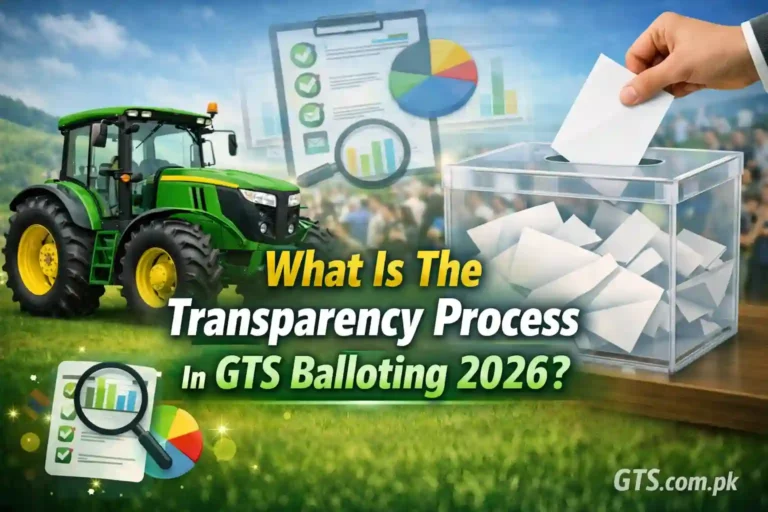
Transparency is a major improvement in Phase 3. Selection lists are often published publicly to avoid favoritism and ensure fairness.
Role of Local Agricultural Offices
Local offices play a crucial role in awareness, application support, and grievance handling. They also guide farmers on proper tractor usage and maintenance.
This local involvement strengthens trust and ensures that government farming support reaches the grassroots level.
Common Challenges and How to Avoid Them
While the scheme is beneficial, some farmers face issues due to incomplete documentation or misinformation.
Practical Tips for Applicants
- Double-check documents before submission
- Avoid middlemen who demand extra fees
- Follow official announcements only
Being informed helps farmers fully benefit from the small farmer subsidy without unnecessary delays.
Long-Term Impact on Rural Communities
Beyond individual farms, the scheme boosts rural economies. Increased productivity leads to better market supply, more employment opportunities, and improved living standards.
For many villages, this initiative becomes a turning point toward modernization and self-reliance.
Why Green Tractor Scheme Phase 3 for Small Farmers Matters in 2026
Green Tractor Scheme Phase 3 for Small Farmers reflects a modern approach to agricultural development. Instead of one-time relief, it focuses on tools that create lasting value.
In 2026, when climate uncertainty and rising costs challenge farmers daily, such targeted programs become essential rather than optional.
Frequently Asked Questions
1. Can tenant farmers apply for this scheme?
In many regions, tenant farmers can apply if they provide valid lease agreements and proof of active farming.
2. Is the subsidy amount the same for everyone?
No, subsidy levels vary based on land size, income category, and regional policies.
3. Are maintenance costs covered under the scheme?
Maintenance is usually the farmer’s responsibility, but guidance and training are often provided.
4. Can a farmer sell the tractor after receiving it?
Most programs restrict selling for a specific period to prevent misuse of tractor scheme benefits.
5. How long does approval usually take?
Approval timelines differ by region, but Phase 3 aims for faster processing than earlier phases.
Conclusion
Green Tractor Scheme Phase 3 for Small Farmers is more than a subsidy program—it is a strategic investment in rural progress. By supporting low land farmers with affordable access to modern machinery, the scheme strengthens food security, promotes sustainability, and improves livelihoods.
For farmers seeking stability, growth, and dignity in 2026, this initiative stands as a powerful opportunity backed by meaningful agriculture relief and long-term vision.