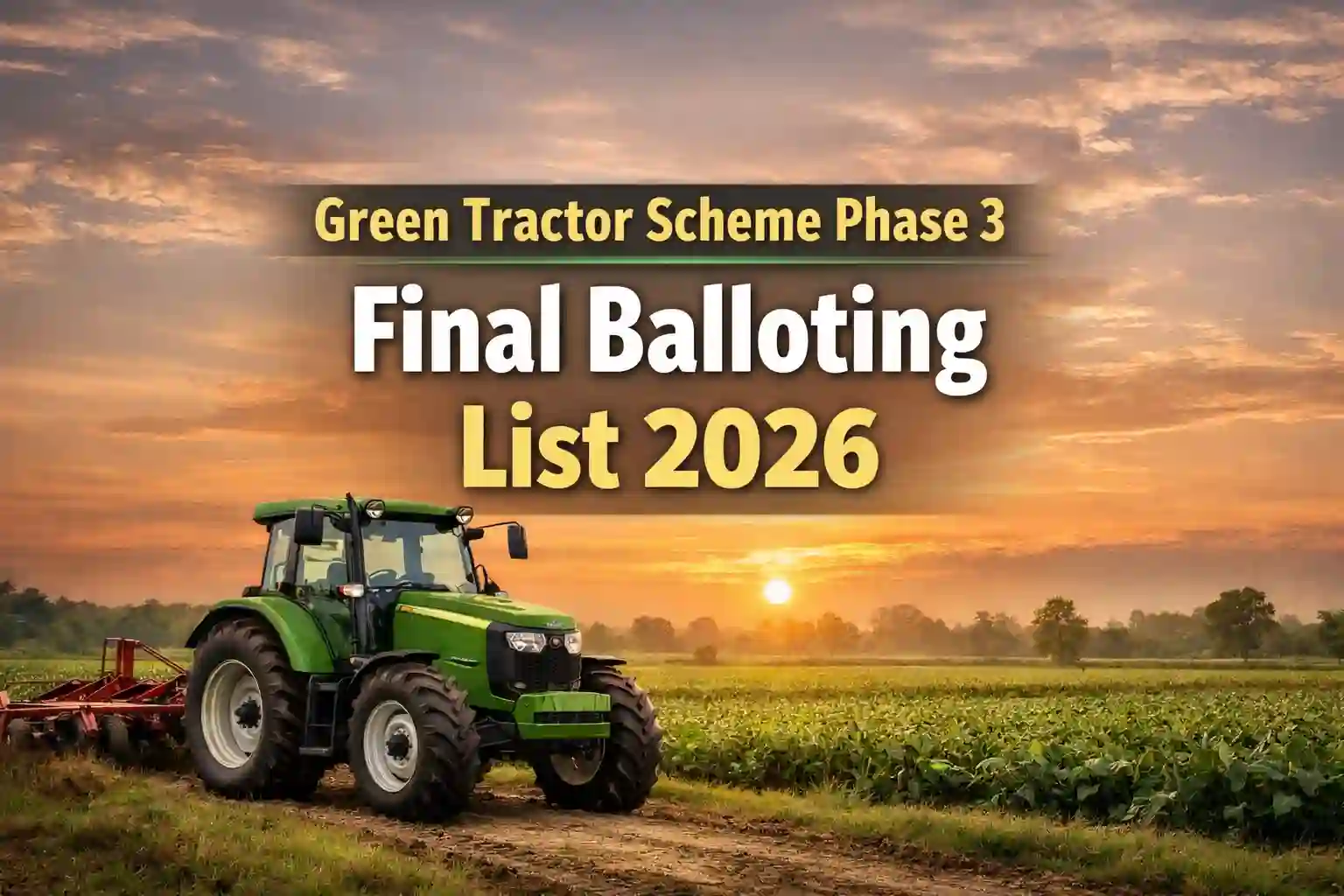
Green Tractor Scheme Phase 3 Final Balloting List 2026
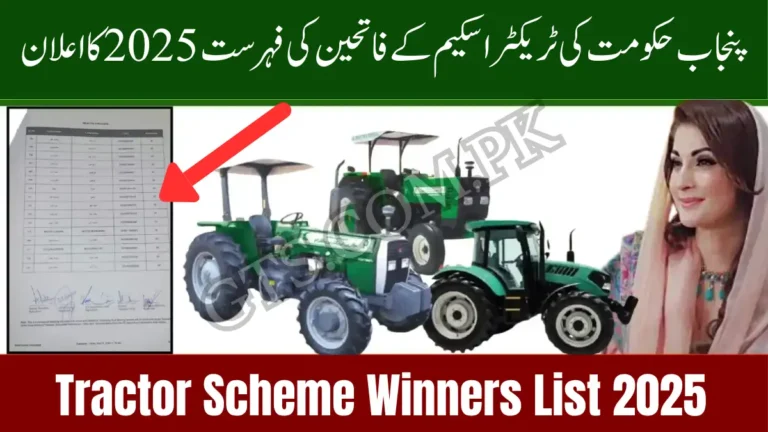
Punjab farmers have finally received the news they were waiting for. The government has released the final balloting list for Green Tractor Scheme Phase 3 for 2026, allowing farmers to check their selection status online through CNIC verification.
The Green Tractor Scheme continues to be one of the most important agriculture support programs in Punjab. With rising farming expenses and machinery costs, many farmers rely on this subsidy to modernize their farms.
Thousands of farmers applied in Phase 3, but only a limited number could be selected through computerized balloting. Now, with the final list released, farmers can confirm whether they have been selected and begin the next process of subsidy approval and tractor purchase.
This guide explains how to check results, who got selected, what happens next, and what non-selected farmers should do.
Quick News Update
- Phase 3 final balloting list has been officially released.
- Farmers can check results online using CNIC numbers.
- Selected farmers will receive subsidy support for tractor purchase.
- Verification and payment procedures will start soon.
- District agriculture offices also provide assistance.

Overview of Green Tractor Scheme
The Green Tractor Scheme is part of Punjab’s agricultural modernization efforts. The goal is to help farmers buy tractors through government subsidy support so they can improve productivity and reduce labor costs.
Tractors are essential for:
- Land preparation
- Sowing and cultivation
- Harvesting support
- Transportation of crops
- Time-saving farming operations
However, tractors are expensive, and many small farmers cannot afford them without assistance. The subsidy program reduces the purchase burden, helping farmers invest in machinery.
Why Balloting Was Necessary
Demand for tractors has increased significantly across Punjab. As more farmers apply each year, the government cannot provide subsidy to everyone at once due to budget limitations.
To ensure fairness, authorities use computerized balloting to randomly select eligible farmers.
Phase 3 received an especially high number of applications because:
- Earlier phases showed positive results.
- Fuel and labor costs have increased.
- Farmers want faster and efficient farming tools.
- Registration became easier through online portals.
Because applications exceeded available slots, balloting became necessary.

How Final Balloting Was Conducted
Authorities followed transparent procedures for final selection.
Application Submission
Farmers registered online or through agriculture offices.
Eligibility Checking
Officials verified land ownership and farmer status.
Computerized Balloting
A digital system randomly selected farmers.
District Distribution
Selections were divided district-wise to ensure fair regional representation.
Final List Approval
Authorities compiled and approved final selection lists before announcement.
This method prevents favoritism and ensures equal opportunity.

How to Check Green Tractor Scheme Result by CNIC
Farmers can easily check their status online by following these steps.
Step 1: Visit Official Agriculture Portal
Open the official Punjab Agriculture Department website.
Step 2: Find Tractor Scheme Section
Look for Green Tractor Scheme Phase 3 result page.
Step 3: Enter CNIC Number
Type your CNIC without dashes in the search box.
Step 4: Submit Details
Click the search or check result button.
Step 5: View Result
The system will display whether you are selected or not.
Other Methods to Check Result
Farmers without internet access can use alternative methods.
Agriculture Offices
District agriculture offices provide printed result lists.
SMS Notifications
Some selected applicants receive SMS confirmation.
Helpline Support
Farmers can call agriculture department helplines for assistance.
Union Council Assistance
Local offices sometimes help farmers verify status.
Farmers should avoid relying on social media rumors and always use official sources.
Who Got Selected in Phase 3?
Selection depends purely on balloting among eligible farmers. Selected farmers usually meet conditions such as:
- Valid land ownership records
- Correct application submission
- Active farming status
- No previous subsidy benefit in earlier phases
Authorities also try to support farmers who have not received benefits before.
Each district received a share of total tractors to maintain regional balance.
What Happens After Selection?
Being selected is only the first step. Farmers must now complete further procedures.
Document Verification
Selected farmers must submit original documents for confirmation.
Subsidy Confirmation
Government verifies eligibility before approving subsidy amount.
Tractor Model Selection
Farmers select tractors from approved manufacturers and dealers.
Payment Procedure
Farmers pay their portion while government subsidy covers remaining cost.
Tractor Delivery
Dealers deliver tractors after payment completion.
Missing deadlines or incorrect documentation may result in cancellation.
Documents Required After Selection
Selected farmers should prepare documents early to avoid delays.
Common documents include:
- Original CNIC
- Land ownership papers
- Application registration proof
- Bank account details
- Passport size photographs
- Affidavit if required
Agriculture offices guide farmers during document submission.
Benefits of Getting Tractor Through Scheme
The subsidy provides several advantages to farmers.
Reduced Financial Burden
Government support lowers total purchase price.
Improved Farming Efficiency
Modern tractors help complete farming tasks quickly.
Increased Productivity
Better equipment leads to improved crop yields.
Labor Cost Reduction
Mechanized farming reduces dependence on labor.
Long-Term Asset
A tractor serves farms for many years.
Common Problems During Application Process
Despite success, some issues were faced.
Incorrect Applications
Some farmers entered wrong details or incomplete data.
Land Record Issues
Ownership disputes or outdated records caused rejection.
Limited Awareness
Some farmers missed deadlines due to lack of information.
Technical Problems
Internet access issues affected rural applicants.
Authorities plan to improve future application systems.
Advice for Selected Farmers
Farmers should remain cautious during final stages.
- Follow official instructions only.
- Do not pay money to agents or middlemen.
- Keep payment receipts safely.
- Verify dealer and tractor specifications.
- Complete procedures within deadlines.
Proper steps ensure smooth tractor delivery.
What Non-Selected Farmers Should Do
Farmers not selected should not lose hope.
Possible next actions include:
- Apply again in upcoming phases.
- Update land records.
- Monitor agriculture department announcements.
- Join machinery-sharing cooperatives.
- Explore other agriculture subsidy programs.
Government programs continue to support agriculture development.
Impact on Punjab Agriculture
Experts believe the tractor scheme will positively impact farming.
Expected benefits include:
- Faster land preparation
- Increased cropping cycles
- Higher productivity
- Improved farmer income
- Modernization of rural agriculture
Such programs support long-term agricultural growth.
Future of Tractor Subsidy Programs
Punjab government continues focusing on farmer support. Future improvements may include:
- Faster digital application systems
- More subsidy slots
- Online tracking systems
- Machinery financing options
- Equipment-sharing platforms
Farmers should stay updated through official announcements.
Conclusion – Green Tractor Scheme Phase 3 Final Balloting List 2026 – Online Check by CNIC
The release of the Green Tractor Scheme Phase 3 Final Balloting List 2026 brings relief and excitement to many farmers across Punjab. Selected farmers now have the opportunity to purchase tractors with government support, helping them improve farming operations.
Farmers should promptly check their status online through CNIC and complete verification steps to secure their subsidy benefits. Those not selected should prepare for upcoming opportunities as agriculture support programs continue.
With increasing modernization efforts, such schemes remain vital for strengthening Punjab’s farming sector and supporting hardworking farmers.