What Is The Transparency Process In GTS Balloting 2026
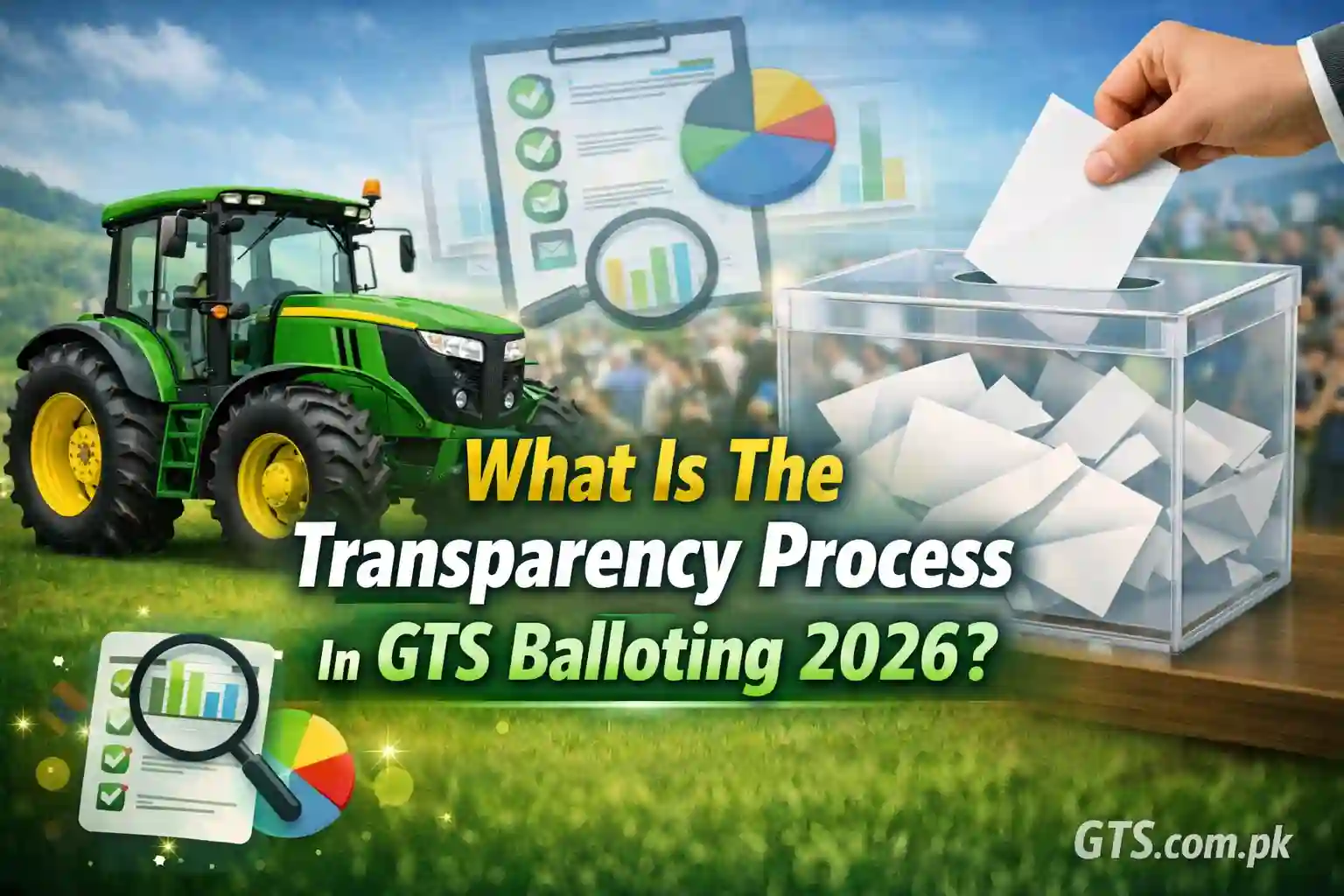
What Is The Transparency Process In GTS Balloting has become a major question for farmers across Punjab as the 2026 cycle gains attention. With thousands of applicants and limited tractors, people want clarity, fairness, and confidence that the system works without favoritism.
This article explains the full transparency process in simple terms, covering how the system works, who monitors it, and why farmers can rely on it. Every step is explained clearly so even first-time applicants can understand how decisions are made.
What Is The Transparency Process In GTS Balloting
The phrase What Is The Transparency Process In GTS Balloting refers to the clear, traceable, and rule-based method used by the government to distribute tractors under the Green Tractor Scheme. The goal is to make sure every eligible farmer has an equal chance, without political pressure or manual interference.
Unlike older schemes, the 2026 process relies on technology, public verification, and strict oversight. Each stage is documented and open to review, which reduces complaints and builds confidence among applicants.
Transparency here is not just a promise. It is built into the system design.
Why Transparency Matters for Farmers
Transparency is critical because demand is much higher than supply. When farmers understand how selections happen, they are more likely to trust the outcome even if they are not selected.
Key reasons transparency matters include:
- Equal opportunity for all eligible farmers
- Reduction of favoritism or influence
- Clear eligibility and verification rules
- Stronger confidence in government programs
This approach directly supports Farmer Trust, which is essential for the long-term success of agricultural support schemes.

Overview of the Punjab Tractor Scheme
The Punjab Tractor Scheme was launched to help small and medium-scale farmers modernize their farming practices. Tractors are provided at subsidized rates to reduce manual labor and improve productivity.
The scheme is rolled out in multiple stages, with each phase improving on the last based on feedback and audits. The 2026 edition focuses heavily on digital systems and real-time monitoring.
Objectives of the Scheme
- Improve agricultural efficiency
- Support small landholding farmers
- Promote modern farming equipment
- Ensure fair access through Fair Balloting

How the Computerized Draw Works
One of the strongest pillars of transparency is the Computerized Draw system. This system replaces manual selection with automated processes that cannot be altered once initiated.
Here is how it works step by step:
- All verified applications are entered into a central database
- Each applicant is assigned a unique digital ID
- The system randomly selects winners based on predefined rules
- Results are logged and stored for audit purposes
Because the draw is automated, no official can manually add or remove names. This process directly supports What Is The Transparency Process In GTS Balloting by eliminating human bias.

Application Verification and Eligibility Checks
Before any draw takes place, applications go through strict verification. This ensures that only eligible farmers are included.
Key Verification Steps
- CNIC validation through national records
- Land ownership or tenancy verification
- Cross-checking previous scheme benefits
- Removal of duplicate or false entries
This verification phase strengthens the Selection System and ensures the draw pool remains clean and fair.
Phase-Based Implementation in 2026
The 2026 scheme is divided into multiple stages to manage applications efficiently. One of the most discussed stages is Phase 3 GTS, which focuses on applicants who met updated eligibility rules.
Why Phase-Based Rollout Is Used
- Easier monitoring and control
- Faster processing of applications
- Improved transparency at each stage
- Reduced chances of system overload
Each phase is treated independently, but all follow the same transparent framework.
Government Monitoring and Oversight
Strong Government Monitoring ensures that the process does not end with the computerized draw. Oversight continues before, during, and after selection.
Monitoring Bodies Involved
| Monitoring Authority | Role in the Process |
|---|---|
| Agriculture Department | Policy enforcement and execution |
| IT Oversight Teams | System integrity and security |
| Audit Committees | Post-draw verification |
| Independent Observers | Neutral process validation |
This layered oversight ensures accountability at every level.
Public Access to Results and Records
Another important transparency feature is public access. Once results are finalized, they are published on official platforms.
Farmers can:
- Check results using CNIC or application number
- View selection criteria publicly
- Submit objections within a fixed timeframe
This openness plays a key role in explaining What Is The Transparency Process In GTS Balloting to the general public.
How Fair Balloting Is Maintained
Fair Balloting is achieved by combining technology, clear rules, and independent supervision. The system is designed so that even internal staff cannot predict or influence outcomes.
Factors That Ensure Fairness
- Randomized digital selection
- No manual shortlist creation
- Equal weight to all verified applicants
- Logged and auditable system actions
This structure makes manipulation extremely difficult.
Transparency Compared to Older Schemes
Earlier agricultural schemes often relied on local recommendations and manual lists. This led to complaints and mistrust.
The 2026 system improves transparency in several ways:
| Old Methods | Current GTS Process |
|---|---|
| Manual selection | Automated draw |
| Limited oversight | Multi-level monitoring |
| Local influence | Centralized system |
| Poor record-keeping | Digital audit trails |
These changes show how What Is The Transparency Process In GTS Balloting has evolved into a more reliable model.
Impact on Farmer Confidence
When farmers see a system that is open and fair, confidence grows. Even those who are not selected understand that results are based on chance and eligibility, not favoritism.
This directly strengthens Farmer Trust and encourages more participation in future government programs.
Common Misunderstandings About the Process
Some farmers believe connections or recommendations still play a role. In reality, once applications are verified, the system operates independently.
Another misunderstanding is that later phases are less fair. In fact, each phase follows the same transparent rules, including Phase 3 GTS.
FAQs
Is the GTS balloting system fully computerized?
Yes, the selection is done through a secure Computerized Draw system with no manual interference.
Can government officials change results after the draw?
No. Once the draw is completed, results are locked and audited under strict Government Monitoring.
Does land size affect selection chances?
Eligibility depends on land criteria, but once verified, all applicants have an equal chance in the draw.
How does the system ensure fairness?
The process uses automated selection, public result access, and a transparent Selection System to ensure fairness.
Final Thoughts on the Transparency Process
Understanding What Is The Transparency Process In GTS Balloting helps farmers make informed decisions and trust the system. The 2026 framework combines technology, oversight, and public access to create a process that is fair, auditable, and reliable.
By focusing on verified applications, automated selection, and continuous monitoring, the scheme sets a strong example of how government support programs should operate. For farmers, this transparency is not just a feature. It is a foundation for confidence and long-term participation.