How Many Farmers Will Be Selected In Phase 3 In 2026
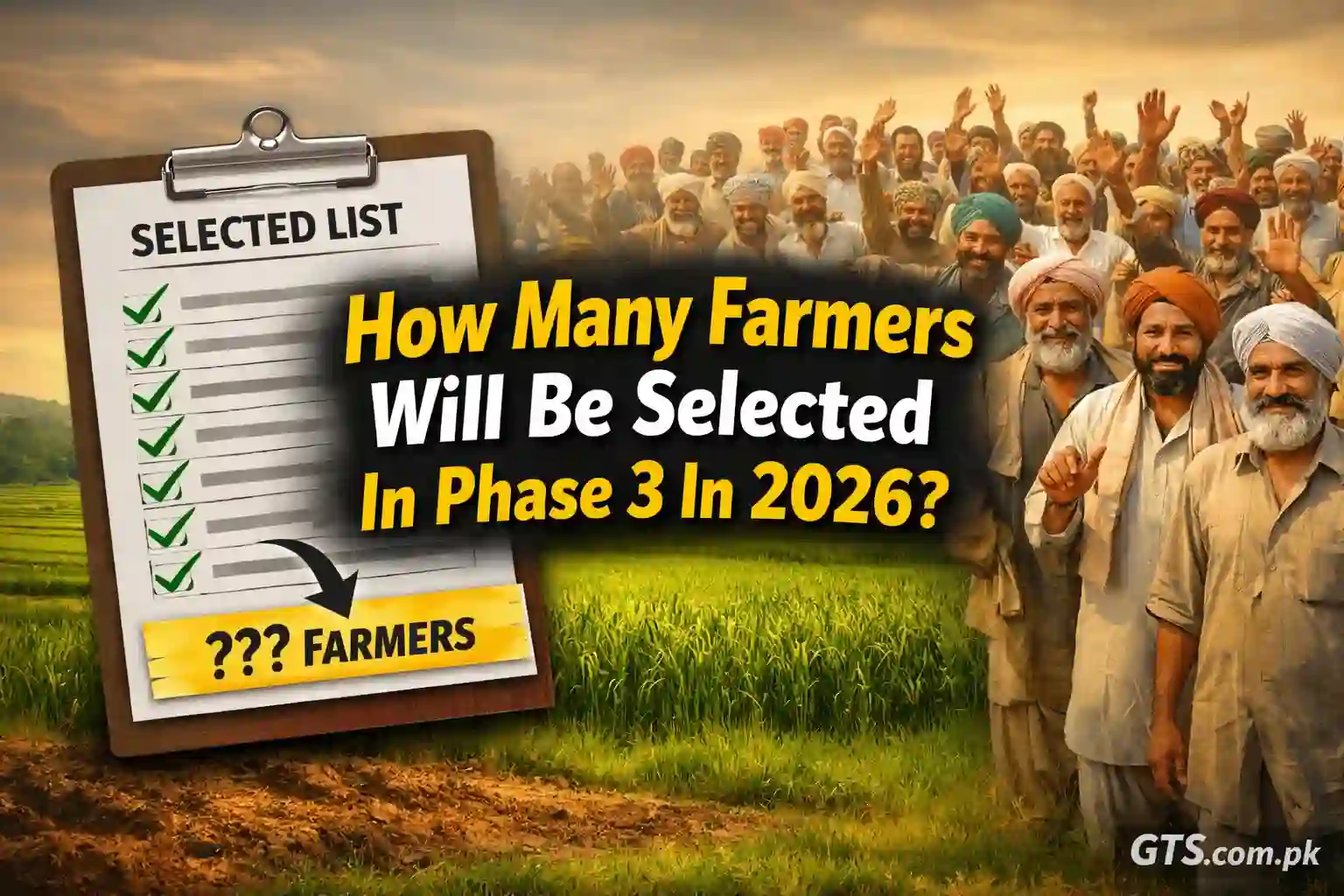
How Many Farmers Will Be Selected In Phase 3 is the question on the minds of thousands of farmers who are waiting for the next big announcement under the Punjab government’s tractor support program.
The excitement around Phase 3 of the Green Tractor Scheme in 2026 is growing fast. Many farmers have already applied, while others are preparing for the next round. Everyone wants to know how many tractors will be given, how many people will be selected, and what their real chances are.
This article breaks everything down in simple language so you can clearly understand what Phase 3 means, how selection works, and what you should expect if you are part of this process.
How Many Farmers Will Be Selected In Phase 3
To understand How Many Farmers Will Be Selected In Phase 3, we first need to look at how the scheme has worked so far. The Green Tractor Scheme, also known as GTS 2026, is designed to support small and medium farmers by giving them tractors on subsidy through a fair lottery system.
The Punjab government sets a fixed Scheme Limit for each phase. This limit decides how many tractors can be given in that round. Every tractor goes to one farmer, so the number of tractors is the same as the number of selected farmers.
For Phase 3 in 2026, the government has planned a larger budget compared to previous phases. Because of this, the GTS Phase 3 Quota is expected to be higher than Phase 1 and Phase 2.
Based on official planning and trends from earlier rounds, the estimated number of selected farmers in Phase 3 is between 25,000 and 30,000. This number may change slightly, but it gives a strong idea of the scale.
So when people ask How Many Farmers Will Be Selected In Phase 3, the realistic answer is that tens of thousands of farmers will benefit in this round.

Why Phase 3 Is Bigger Than Earlier Rounds
The Punjab government learned a lot from Phase 1 and Phase 2. Demand was much higher than expected. Farmers across the province showed strong interest in modernizing their farms.
Because of this, Phase 3 has been designed to cover more districts, more applicants, and more tractors. The government wants to speed up agricultural growth and reduce the gap between small and large farmers.
Some key reasons Phase 3 is bigger:
- Higher budget allocation
- Stronger political and public support
- Better planning and digital systems
- Improved supply of tractors
The Punjab Tractor Scheme has become one of the most popular farmer support programs in the province. That is why Phase 3 is not just a continuation, but an expansion.
How the Selection System Works
The Farmer Selection process is based on a computerized balloting system. This means there is no manual picking, no favoritism, and no human interference.
Every eligible applicant is entered into the system. Then a digital lottery is held, and winners are chosen randomly. These winners are called Balloting Seats, and each seat represents one tractor.
Here is how it works in simple steps:
- Farmers apply online or through designated centers
- Applications are verified
- Eligible farmers are added to the draw
- Computerized balloting is held
- Winners are announced
- Tractors are distributed
This system is meant to be fair and transparent so that even a small farmer in a remote village has the same chance as anyone else.
Phase 3 Estimated Numbers
Let’s look at the expected figures for Phase 3 based on planning and budget.
| Category | Estimated Figure |
|---|---|
| Total Applications | 600,000+ |
| Approved Applications | 500,000+ |
| GTS Phase 3 Quota | 25,000 to 30,000 |
| Balloting Seats | Equal to quota |
| Tractors Available | 25,000 to 30,000 |
| Provinces Covered | Punjab |
| Year | GTS 2026 |
These numbers show that competition will be high. But the increase in quota also means more farmers will benefit compared to earlier rounds.
When farmers talk about How Many Farmers Will Be Selected In Phase 3, this table gives a clear picture of what to expect.
What Makes a Farmer Eligible
Not every applicant gets into the final draw. There are basic rules that everyone must meet.
The main eligibility conditions include:
- Must be a registered farmer
- Must own or lease agricultural land
- Must not have received a tractor in previous phases
- Must be a resident of Punjab
- Must meet the Scheme Limit rules
These rules make sure that the tractors go to farmers who really need them and who have not already benefited from the scheme.
Why Demand Is So High
Tractors are expensive. For many small farmers, buying a tractor at full price is impossible. The Tractor Distribution under this scheme provides huge financial relief.
With a subsidized tractor, farmers can:
- Prepare land faster
- Save on hiring machinery
- Increase crop yield
- Reduce labor costs
- Improve income
Because of these benefits, hundreds of thousands of farmers apply every year. This is why understanding How Many Farmers Will Be Selected In Phase 3 is so important.
Comparison With Earlier Phases
To understand Phase 3 better, let’s compare it with earlier rounds.
| Phase | Tractors Given | Applicants | Success Rate |
|---|---|---|---|
| Phase 1 | 10,000 | 300,000 | 3.3% |
| Phase 2 | 20,000 | 450,000 | 4.4% |
| Phase 3 (Expected) | 25,000–30,000 | 600,000+ | 4% to 5% |
This table shows that although applications are rising, the government is also increasing supply. That keeps the chance of winning fair.
What Happens After You Are Selected
Once a farmer wins a seat in the balloting, the process moves fast.
Selected farmers must:
- Receive an official notification
- Pay their share of the tractor price
- Complete verification
- Collect the tractor from an authorized dealer
The Tractor Distribution usually starts within weeks after balloting. Farmers are guided through every step.
Common Mistakes Farmers Make
Many farmers lose their chance due to simple mistakes. Some of the most common ones include:
- Entering wrong CNIC number
- Providing incorrect land records
- Missing deadlines
- Not checking results on time
To increase your chances, always double-check your application and stay updated.
How to Increase Your Chances
While the draw is random, you can still avoid disqualification by doing things right.
Tips:
- Apply early
- Use correct documents
- Follow all instructions
- Stay within the Scheme Limit
- Keep your phone active for updates
Doing these things will make sure you stay eligible and do not miss out.
Why Phase 3 Is Important for Punjab
Agriculture is the backbone of Punjab’s economy. When farmers get modern machinery, the entire food system improves.
Phase 3 of this scheme will help:
- Increase food production
- Improve farmer income
- Reduce poverty in rural areas
- Support sustainable farming
That is why GTS 2026 is being seen as a turning point for the province.
FAQs
What is the GTS Phase 3 Quota?
It is the total number of tractors allocated for Phase 3. It decides how many farmers will be selected.
Is the Punjab Tractor Scheme only for small farmers?
It mainly focuses on small and medium farmers, but all eligible farmers can apply.
How does Farmer Selection work?
It is done through a computerized lottery where every eligible applicant has an equal chance.
Is How Many Farmers Will Be Selected In Phase 3 already finalized?
The final number is announced by the government, but estimates suggest 25,000 to 30,000.
Conclusion
Understanding How Many Farmers Will Be Selected In Phase 3 helps farmers plan better and stay hopeful. With a higher quota, better systems, and strong government support, Phase 3 of the Green Tractor Scheme is expected to benefit more farmers than ever before. If you have applied and meet the rules, stay ready, keep checking updates, and prepare for the next step. This phase could be the moment that transforms your farming future.