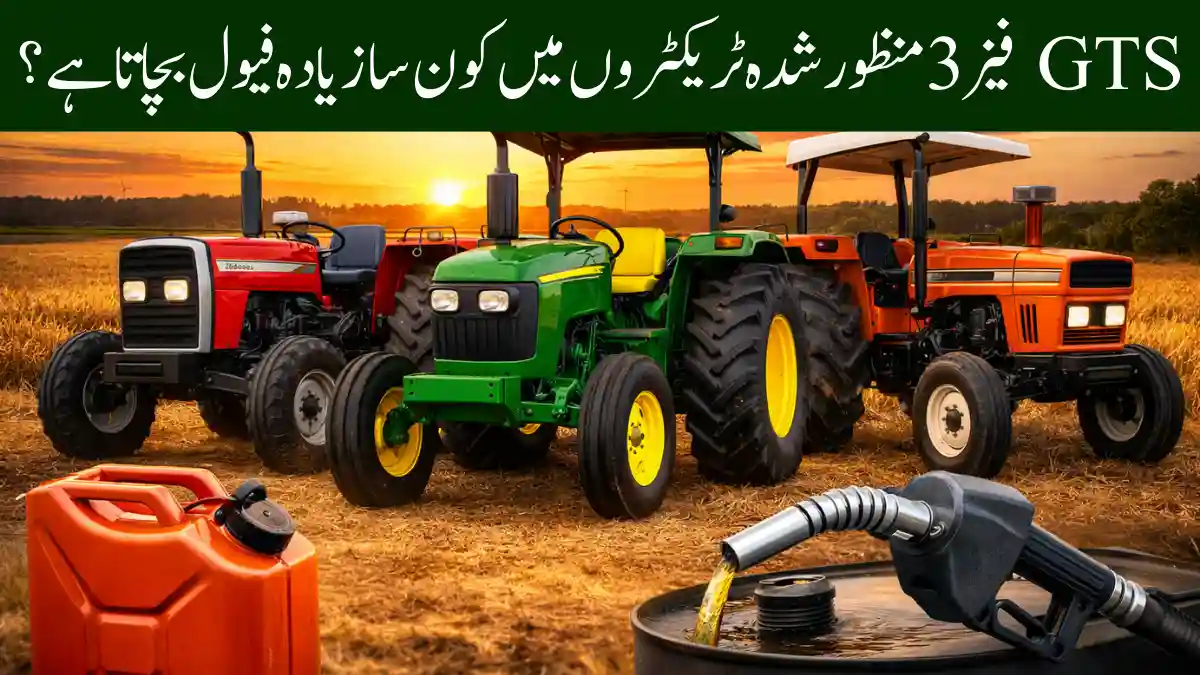
Fuel Efficiency Comparison Of GTS Phase 3 Approved Tractors
Fuel Efficiency Comparison Of GTS Phase 3 Approved Tractors is becoming one of the most searched topics among farmers who want better mileage, lower fuel bills, and long-term value from their machines.
Modern farming is no longer just about power. It is about how far every liter of diesel can take you. With rising fuel prices and tighter profit margins, choosing the right tractor can decide whether a farm stays profitable or not. That is why GTS Phase 3 tractors are gaining so much attention. They are designed to meet stricter emission rules while also improving fuel usage, engine performance, and overall reliability.
In this detailed guide, we will break down how these tractors perform in real life, how much diesel they consume, and how to pick the best model for your farm. We will also look at how new technology has changed tractor engines and why it matters for your running cost.
Fuel Efficiency Comparison Of GTS Phase 3 Approved Tractors
Fuel efficiency is not just a technical number. It directly affects how much you spend every season, how often you refuel, and how smoothly your work continues in the field. GTS Phase 3 standards were introduced to reduce harmful emissions, but they also pushed manufacturers to redesign engines in a smarter way. The result is tractors that burn diesel more cleanly and more effectively.
When comparing models under this standard, the focus should be on three main areas:
- Engine design and combustion quality
- Load handling and torque delivery
- Real-world mileage during farming tasks
Let us explore how these factors work together.

What Makes GTS Phase 3 Engines More Efficient
Older tractor engines were built mainly for strength. They consumed more fuel because they were not optimized for clean or complete combustion. GTS Phase 3 engines use improved fuel injection, better air intake, and smarter engine tuning.
Here is what makes them different:
- Better fuel spray: Diesel is injected in a finer mist, allowing more complete burning
- Improved airflow: More oxygen reaches the fuel for stronger combustion
- Lower heat loss: More energy goes to the wheels instead of being wasted
This is why many GTS Phase 3 Tractors deliver more power while using less diesel.
Why Fuel Efficiency Matters More Than Ever
A tractor may seem affordable when you buy it, but the real cost comes from using it. Fuel can make up 30 to 40 percent of a tractor’s total operating cost. That means even a small improvement in mileage can save thousands over the years.
Farmers today look for:
- Lower daily diesel use
- Longer working hours on one tank
- Less frequent maintenance
- Reduced pollution and smoke
This is where choosing the right Fuel Saving Tractor Models makes a real difference.
Understanding Real-World Tractor Mileage
Manufacturers often give lab numbers, but farmers need real field data. Soil type, load, speed, and implements all affect how much fuel a tractor burns.
Here are the main factors that influence mileage:
- Weight of the tractor
- Type of work (plowing, transport, harvesting)
- Engine RPM and gear usage
- Tire pressure and maintenance
This is why High Mileage Tractors are those that perform well not only on paper but also during long farming days.
Diesel Consumption in Different Farm Activities
Not all tasks use fuel in the same way. Let us look at how GTS Phase 3 tractors behave in common jobs.
| Farming Activity | Fuel Use Level | Why It Matters |
|---|---|---|
| Plowing | High | Heavy load on engine |
| Tilling | Medium | Balanced power demand |
| Transport | Low to Medium | Depends on speed and weight |
| Harvesting | Medium | Steady engine operation |
| PTO work | Medium to High | Direct engine power usage |
This table shows why choosing a Low Diesel Tractor is especially important if your work involves heavy tasks like plowing and PTO operations.
Comparing Old Tractors with GTS Phase 3 Models
Older tractors often look cheaper, but they usually consume more diesel and need more repairs. GTS Phase 3 machines are built with better materials, tighter tolerances, and smarter electronics.
Here is a simple comparison:
| Feature | Older Tractors | GTS Phase 3 Tractors |
|---|---|---|
| Fuel efficiency | Low to medium | High |
| Emissions | High | Low |
| Engine life | Shorter | Longer |
| Maintenance | Frequent | Less frequent |
| Operating cost | High | Lower |
The Green Tractor Diesel Average of Phase 3 models is far better because they use fuel more cleanly and efficiently.
How Manufacturers Achieve Better Mileage
Brands today focus heavily on engine tuning. Instead of just increasing horsepower, they work on torque delivery. A tractor that produces strong torque at low RPM uses less fuel because it does not need to run at high speed all the time.
This means:
- Less strain on the engine
- Lower diesel use
- Smoother performance
That is why many modern Fuel Saving Tractor Models feel more powerful even with smaller engines.
How to Identify a Truly Efficient Tractor
Do not just look at horsepower. A high-power tractor that burns too much diesel is not efficient. Look for:
- Certified GTS Phase 3 engine
- Good torque at low RPM
- Strong reputation for reliability
- Proven mileage records
A well-balanced machine is always better than one that is only powerful.
Impact of Fuel Efficiency on Farm Profit
Every liter of diesel saved is money kept in your pocket. Over a year, even saving 1 liter per hour can make a huge difference.
Let us look at a simple example:
If a tractor runs 1,000 hours per year and saves 1 liter per hour, that is 1,000 liters saved. Multiply that by diesel price and the savings become clear.
This is why Tractor Running Cost is closely linked to fuel efficiency.
Maintenance and Its Role in Fuel Economy
Even the best tractor will waste fuel if it is not maintained. Simple steps can improve mileage:
- Clean air filters regularly
- Keep tires at correct pressure
- Use the right engine oil
- Avoid unnecessary idling
These habits help even High Mileage Tractors stay efficient for years.
How Farmers Benefit from Phase 3 Technology
Many farmers report that their GTS Phase 3 tractors:
- Use 10 to 20 percent less diesel
- Produce less smoke
- Start easier in cold weather
- Require fewer repairs
This makes them a smart choice for both small and large farms.
When a Low Diesel Tractor Makes the Biggest Difference
If you use your tractor daily for heavy tasks, fuel savings become very visible. A Low Diesel Tractor helps when:
- You do long plowing sessions
- You transport crops often
- You use PTO equipment frequently
In such cases, efficiency is more important than just raw power.
How Phase 3 Standards Support Green Farming
Cleaner engines mean less pollution. GTS Phase 3 rules reduce harmful gases and improve the Green Tractor Diesel Average. This benefits:
- The environment
- The health of farm workers
- Long-term soil and air quality
Farming becomes more sustainable when engines burn fuel cleanly.
Choosing the Right Model for Your Farm
Not every farmer needs the same tractor. Before buying, think about:
- Size of your land
- Type of crops
- Tools you use
- Daily working hours
Matching the tractor to your needs ensures you get the most out of modern GTS Phase 3 Tractors.
Common Mistakes That Reduce Fuel Efficiency
Even with a modern engine, mistakes can waste diesel:
- Running at full throttle all the time
- Using wrong gear for the task
- Overloading the tractor
- Ignoring maintenance
Avoiding these keeps your Fuel Saving Tractor Models truly economical.
How Dealers and Tests Rate Mileage
Independent testing often shows that Phase 3 tractors outperform older models. They measure:
- Fuel per hour
- Fuel per hectare
- Performance under load
These tests help buyers find the most High Mileage Tractors in the market.
Long-Term Cost Benefits
Buying a fuel-efficient tractor may cost slightly more, but it pays back quickly through:
- Lower diesel bills
- Fewer repairs
- Higher resale value
Over 5 to 10 years, the savings are substantial.
Why Farmers Are Switching to Phase 3 Models
The main reasons are simple:
- Rising fuel prices
- Better technology
- Environmental rules
- Lower Tractor Running Cost
Smart farmers think long term, not just about the purchase price.
Frequently Asked Questions
What is special about GTS Phase 3 tractors?
They use advanced engine technology that burns diesel more efficiently and produces fewer emissions.
Do these tractors really save fuel?
Yes. Most users report noticeable reductions in diesel use compared to older models.
Are they more expensive to maintain?
No. They usually need less maintenance because the engines are cleaner and better built.
Can small farmers benefit from them?
Absolutely. Even small farms save money because fuel costs drop.
How do I know if a tractor is truly efficient?
Check its Phase 3 certification, torque rating, and real-world fuel tests.
Conclusion
Choosing the right tractor is one of the most important decisions a farmer makes, and Fuel Efficiency Comparison Of GTS Phase 3 Approved Tractors shows clearly why modern engines are worth the investment.
These tractors deliver more work from every drop of diesel, reduce pollution, and lower long-term costs. With smarter design, better torque, and cleaner combustion, they are built for today’s farming needs. If you want a machine that works harder while spending less on fuel, Phase 3 models are a smart and future-ready choice.