
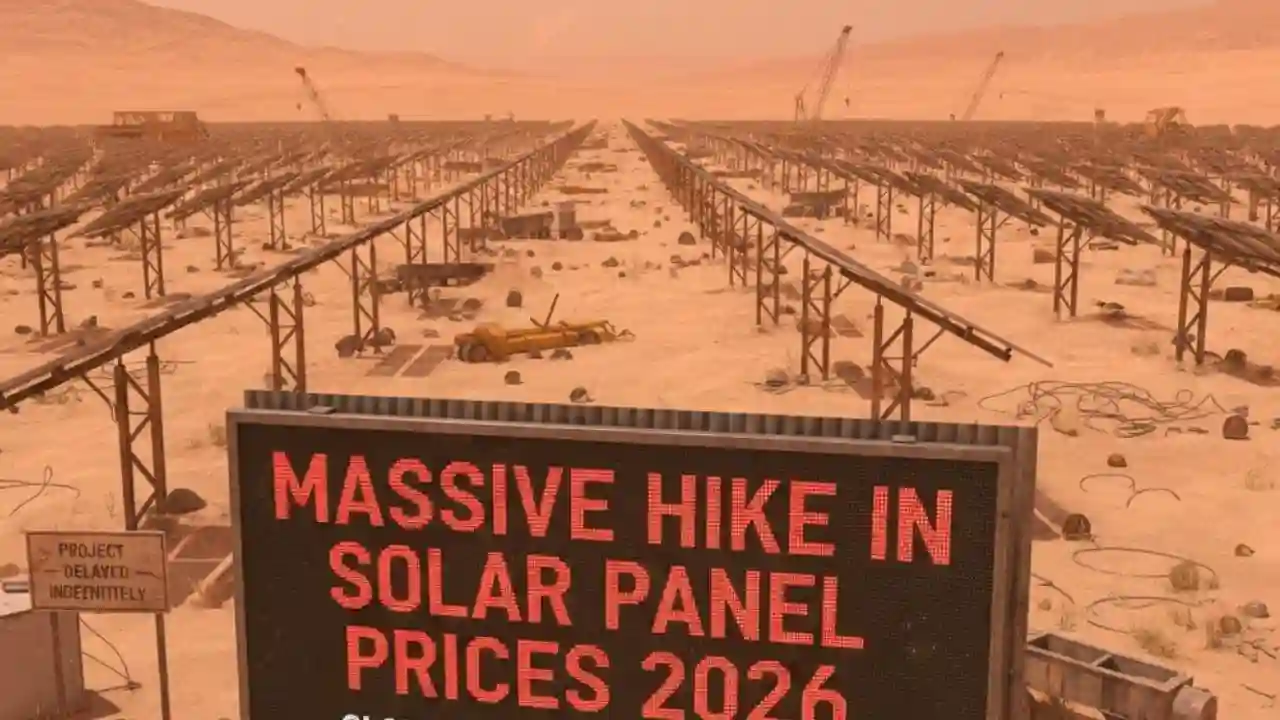
Massive Hike in Solar Panel Prices 2026 – What’s Causing the Increase?
Massive Hike in Solar Panel Prices 2026 with a surprising and concerning trend: a massive hike in solar panel prices across Pakistan and many parts of the world. Solar systems, once considered the most affordable long-term solution to rising electricity bills, have suddenly become more expensive for households, businesses, and industries.
This sharp increase has raised serious questions among consumers, investors, and renewable energy experts. Why have solar panel prices gone up in 2026? Is this hike temporary or long-term? And should buyers wait or invest now?
Solar Panel Prices in 2026: An Overview
At the start of 2026, the price of solar panels in Pakistan increased by 20% to 35%, depending on brand, wattage, and origin. Complete solar systems, including inverters, batteries, mounting structures, and installation costs, have also seen a noticeable jump.
For many households planning to shift to solar due to high electricity tariffs, this hike came as an unexpected shock.

Key Reasons Behind the Massive Solar Panel Price Hike in 2026
1. Global Supply Chain Disruptions
One of the biggest reasons for the solar panel price increase in 2026 is global supply chain disruption.
- Shipping delays
- Higher freight charges
- Container shortages
- Increased insurance costs
Most solar panels used in Pakistan are imported, mainly from China. Any disruption in global logistics directly affects local prices.
2. Increase in Raw Material Costs
Solar panel manufacturing heavily depends on raw materials such as:
- Polysilicon
- Aluminum frames
- Silver paste
- Copper wiring
In 2026, polysilicon prices surged globally due to limited supply and higher demand from EV and semiconductor industries. This alone pushed up manufacturing costs for solar panels worldwide.
3. Rising Demand for Solar Energy Worldwide
The global push toward renewable energy has significantly increased demand for solar panels.
Key demand drivers include:
- Climate change commitments
- Rising fossil fuel prices
- Government renewable targets
- Corporate carbon neutrality goals
When demand grows faster than supply, prices naturally rise. In 2026, solar demand reached record highs across Asia, Europe, and the Middle East.
4. Import Taxes and Policy Changes in Pakistan
Another major factor behind the solar price hike in Pakistan is import-related taxes and policy adjustments.
- Increased customs duties on solar components
- Changes in GST treatment
- Currency-linked import valuation
Even small tax changes have a large impact because solar panels are imported in bulk.
5. Pakistani Rupee Depreciation
The depreciation of the Pakistani rupee against the US dollar in late 2025 and early 2026 significantly raised import costs.
Since solar panels are priced in dollars:
- A weaker rupee = higher landed cost
- Higher landed cost = higher retail prices
This currency pressure is one of the strongest contributors to the 2026 price hike.
6. Higher Installation and Labor Costs
Solar panel prices are not limited to panels alone. In 2026, installation costs also increased due to:
- Rising fuel prices
- Higher labor wages
- Expensive mounting structures
- Increased inverter and battery prices
As a result, the total cost of solar systems rose sharply, even if panel prices increased moderately.
7. Shortage of High-Efficiency Panels
There is growing demand for Tier-1 and high-efficiency solar panels such as:
- Monocrystalline PERC
- TOPCon
- Bifacial solar panels
These advanced panels offer better output but are limited in supply. Their shortage in 2026 caused premium brands to raise prices further.

Impact of Solar Panel Price Hike on Pakistani Consumers
Residential Users
Homeowners planning 5kW to 10kW systems now face:
- Higher upfront investment
- Longer payback period
- Budget adjustments
Commercial & Industrial Sector
Factories and commercial buildings still prefer solar due to:
- High electricity tariffs
- Net metering benefits
- Long-term cost savings
However, project costs have increased substantially.

Solar vs Electricity Bills in 2026: Is Solar Still Worth It?
Despite the price hike, solar energy remains a cost-effective solution in Pakistan.
Reasons:
- Grid electricity prices continue to rise
- Load shedding issues persist
- Net metering still provides savings
- Solar systems last 20–25 years
Even at higher prices, most systems recover their cost within 3.5 to 5 years, depending on usage.

Will Solar Panel Prices Go Down in 2026?
Experts predict price stability rather than a sharp drop in 2026.
Possible scenarios:
- Slight reduction if global shipping costs normalize
- Stable prices if demand remains high
- Further increase if rupee weakens again
A major price crash is unlikely in the short term.
Best Time to Buy Solar Panels in 2026
If you are planning solar installation, consider:
- Buying before further currency depreciation
- Choosing reliable Tier-1 brands
- Comparing multiple installers
- Avoiding very cheap, low-quality panels
Waiting too long may result in even higher prices.
Government Role in Solar Pricing
The government can help stabilize solar prices by:
- Reducing import duties
- Offering tax relief on renewable energy
- Supporting local solar manufacturing
- Ensuring policy consistency
Clear renewable energy policies can reduce uncertainty and control future price hikes.
Future Outlook of Solar Energy in Pakistan
Despite higher prices, solar energy adoption in Pakistan is expected to grow in 2026 and beyond due to:
- Energy crisis
- Rising power tariffs
- Climate commitments
- Increased awareness among consumers
Solar remains a long-term solution, not a short-term expense.
Frequently Asked Questions (FAQs)
1. Why did solar panel prices increase in 2026?
Due to higher raw material costs, global demand, import taxes, currency depreciation, and supply chain disruptions.
2. How much have solar prices increased in Pakistan in 2026?
On average, prices increased by 20% to 35%, depending on system size and components.
3. Is it better to wait before buying solar panels?
Waiting may not help, as prices are expected to remain stable or rise further.
4. Are solar panels still profitable in 2026?
Yes, solar systems still offer long-term savings despite higher upfront costs.
5. Will solar prices drop later in 2026?
A major drop is unlikely; only minor adjustments may occur.
Conclusion
The massive hike in solar panel prices in 2026 is the result of multiple global and local factors working together. While the increase has affected affordability, solar energy remains one of the most reliable and cost-effective solutions to Pakistan’s growing electricity challenges.
For households and businesses alike, investing in solar still makes financial sense—especially when compared to continuously rising grid electricity costs. Making an informed decision now can protect you from even higher energy expenses in the future.